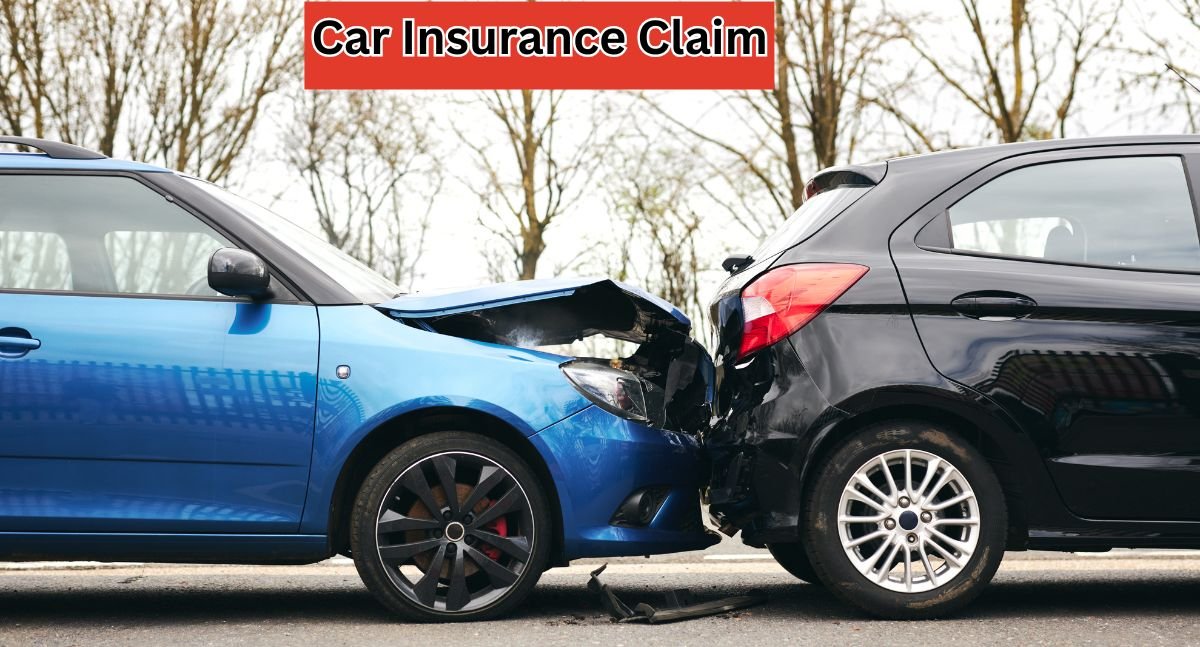
Accidents can happen anytime, and during such situations, having Car Insurance becomes extremely important. However, many vehicle owners don’t know the correct Car Insurance Claim Process, which results in delays, claim rejection or financial loss. In this guide, we will explain how to file a car insurance claim in a simple and clear way so you can get your compensation quickly and smoothly.
1. Understand Your Car Insurance Policy
Before filing a Car Insurance Claim, it is important to understand what type of Car Insurance Policy you have. In India, there are mainly two types: Third-Party Liability Insurance and Comprehensive Car Insurance. Third-party insurance covers only damages caused to the other party involved in the accident and is legally mandatory. However, it does not cover your own car’s repair costs. On the other hand, Comprehensive Car Insurance provides complete protection, including own vehicle damage, accident repairs, fire, theft, floods, and natural calamities. Knowing your policy coverage helps you avoid claim rejection and ensures smooth claim settlement.
a) Third-Party Liability Insurance
Third-Party Liability Insurance is the basic mandatory insurance required for every vehicle owner by law. This policy covers financial losses if your vehicle damages someone else’s vehicle, property, or causes injury to another person. However, it does not provide any coverage for damages to your own car. It is mostly suitable for people looking for a low-cost insurance option but it does not offer complete protection. If your vehicle gets damaged, you will have to bear the repair costs yourself. So, while it fulfills legal compliance, you do not get personal vehicle coverage benefits.
b) Comprehensive Car Insurance
Comprehensive Car Insurance offers broader and more valuable coverage. This policy protects your own car from damages caused due to accidents, theft, fire, riots, vandalism, flood, cyclone, and other natural disasters. It also covers third-party liabilities in case of damage or injury to others. This makes it the best insurance choice for full protection. If you want peace of mind and financial security during unexpected situations, choosing a Comprehensive Car Insurance Plan is highly recommended. It may cost slightly more than third-party insurance, but the coverage and benefits are significantly higher, reducing your repair expenses and financial burden.
2. First Priority: Safety and Initial Steps After an Accident
When an accident happens, your first priority should always be safety. Check yourself and passengers for any injuries and call emergency medical help if required. If the vehicle is in the middle of the road and causing danger, carefully move it to a safer location without obstructing traffic. Do not panic or run away from the accident spot, as it may lead to legal consequences. If the other party is involved, cooperate politely and avoid arguments. Make sure to capture photos or videos of the accident scene and vehicle damage as these will be very important during the Car Insurance Claim Process.
3. Inform the Insurance Company Immediately
After ensuring safety, you must inform your Car Insurance Company as soon as possible — preferably within 24 to 48 hours. Call the insurer’s customer care number, use their mobile app, or visit their official website to register the Car Insurance Claim. After registration, the company will issue a Claim Reference Number, which you should note down carefully because it will be required in every further step and communication. Prompt reporting helps in faster claim approval and prevents complications. Delayed reporting may lead to claim rejection, so it is important to act quickly and follow the insurer’s guidelines properly.
4. File a Police Report (If Required)
Filing a Police Report (FIR) is necessary in certain situations such as car theft, major accidents, hit-and-run cases, or when a third party’s property or life is involved. The FIR acts as legal proof and supports your insurance claim. However, for minor scratches or small accidental damages, a police report may not be required. Still, it is always advisable to confirm with your Insurance Company Helpline before proceeding. A properly documented Police Report for Insurance Claim helps claim approval and ensures there are no legal issues later. Never hide information, as it may lead to claim denial.
5. Keep These Documents Ready
You will need:
| Document | Why Needed |
|---|---|
| Car Insurance Policy Copy | Verification |
| Driver’s License | Validity of driver |
| RC (Registration Certificate) | Vehicle ownership |
| FIR/Police Report (if applicable) | Legal proof |
| Photos/Videos of Damage | Evidence |
| Repair Estimates (if reimbursement) | Claim assessment |
Taking clear pictures of the accident scene increases chances of claim approval.
6. Inspection by Insurance Surveyor
After claim registration, the insurance company will send a Surveyor/Assessor to inspect the vehicle and estimate damage.
Do not start repair before survey (for cashless claim).
The surveyor prepares a Damage Assessment Report, based on which the insurer decides the approved amount.
High CPC Keywords Used: Insurance Surveyor, Damage Assessment, Claim Approval.
7. Choose Claim Type: Cashless or Reimbursement
a) Cashless Car Insurance Claim
If your vehicle is repaired in the insurer’s network garage, the insurer directly pays the garage.
You only pay:
- Deductible
- Cost of uncovered parts (if any)
This method is faster and easier.
b) Reimbursement Claim
If you repair your car at a non-network garage, you must:
- Pay the bill yourself
- Submit bills, invoices, and reports to the insurer
- Receive reimbursement later
High CPC Keywords Used: Cashless Car Insurance Claim, Network Garage, Reimbursement Claim, Deductible.
8. Final Settlement and Payment
Once the survey is complete and repair is done:
- Insurance company pays the approved amount.
- If reimbursement, the amount will be transferred to your bank account.
Always verify the settlement amount and breakdown.
9. Impact on No Claim Bonus (NCB)
If you make a claim under Comprehensive Car Insurance, you may lose your No Claim Bonus, which offers up to 50% discount on next year’s Insurance Premium.
Before making claim, compare:
- Repair cost vs. Loss of NCB
If repair cost is small, sometimes it’s better to pay yourself and save the NCB.
High CPC Keywords Used: No Claim Bonus, Insurance Premium Discount.
10. Common Mistakes That Lead to Claim Rejection
Avoid these:
- Late claim intimation
- Using vehicle without valid Driving License
- Drunk driving
- Repairing vehicle before survey
- Providing false information
Always follow insurance guidelines strictly.