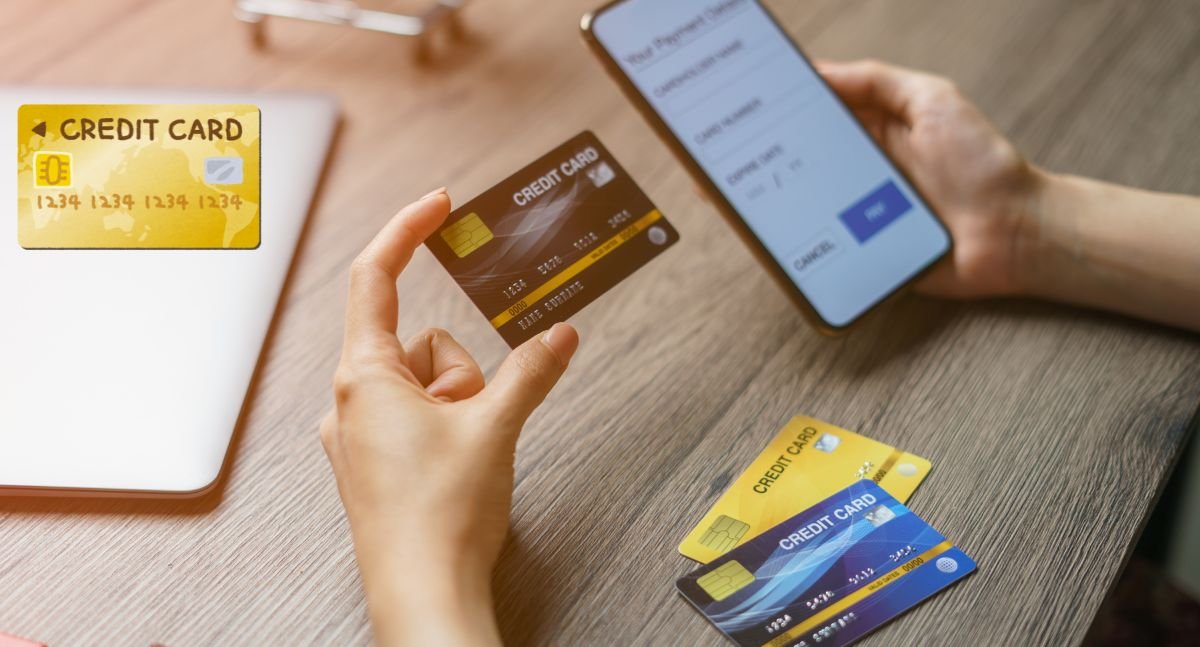
In India, applying for a credit card has become increasingly common as more people shift toward cashless payment systems. A credit card not only provides convenience but also helps in managing monthly expenses while building a credit history.
Today, banks, financial institutions, and even digital fintech platforms offer a wide range of credit cards with different benefits tailored to lifestyle, travel, shopping, fuel, and more. Understanding how to apply for a credit card, the eligibility criteria, and the features you should look for can help you choose the right card and use it wisely without falling into unnecessary debt.
Overview
A credit card is a financial tool that allows you to borrow money up to a predefined limit for purchasing goods and services. In India, both public and private banks issue credit cards, and each card has unique benefits such as cashback, reward points, discounts on shopping, and travel perks.
The card issuer provides the user with a monthly billing cycle, and the outstanding payment must be settled before the due date to avoid interest. People choose credit cards mainly for convenience, emergency spending, online purchases, and building a credit score. Proper use ensures financial discipline and smart expense management.
Eligibility
Eligibility for credit cards in India depends on factors like age, income, employment type, and credit score. Most banks require applicants to be at least 21 years old with a stable monthly income. Salaried individuals usually need to submit proof of employment, while self-employed applicants must show business and income documents.
A good credit score of 700 or above increases approval chances and helps secure a higher credit limit. Those with limited or no credit history can start with beginner or secured credit cards. Banks also evaluate your existing loan obligations before issuing a new card to ensure repayment capability.
Documents
When applying for a credit card, applicants must submit identity proof, address proof, and income proof. Common identity proofs include Aadhaar card, PAN card, passport, or voter ID. For address proof, applicants may provide utility bills, rent agreements, or driving licenses.
Salaried individuals usually submit salary slips and bank statements for income verification, while self-employed individuals provide income tax returns and business financial statements. The PAN card is mandatory for all credit card applications in India because it allows the bank to track financial activity and verify creditworthiness. Proper documentation speeds up approval and avoids unnecessary delays.
Process
The credit card application process in India can be completed online or offline. For online applications, the applicant selects a card on the bank or fintech website, fills in personal details, uploads documents, and waits for verification. The bank conducts a background check, reviews the credit score, and may contact the applicant for confirmation.
In offline mode, the applicant visits a nearby bank branch, fills out the application form, and submits physical documents. Once approved, the credit card is delivered by courier. The applicant must then activate the card using the official website, mobile app, or ATM to begin using it.
Benefits
Credit cards offer various benefits such as cashback, discounts, reward points, travel lounges, and EMI conversion options. Many cards provide exclusive deals on online shopping platforms like Amazon, Flipkart, and Myntra. Travel credit cards include complimentary airport lounge access and flight ticket discounts. Fuel credit cards reduce fuel surcharge expenses.
Reward points earned on every transaction can be redeemed for products or vouchers. A credit card also helps in emergencies by allowing instant payments even when your bank balance is low. Additionally, timely bill payments improve your credit score, which is essential for future loans and financial planning.
Fees
Credit cards come with fees such as annual charges, late payment fees, and interest charges. Some cards offer lifetime free membership if the user meets minimum spending conditions. It is important to select a card that matches your spending habits to avoid unnecessary charges.
| Card Type | Annual Fee | Interest Rate (Approx.) | Best For |
|---|---|---|---|
| Basic Card | ₹0 – ₹500 | 3% per month | First-time users |
| Shopping Card | ₹500 – ₹1500 | 2.5% per month | Online shopping |
| Travel Card | ₹1500 – ₹5000 | 2% per month | Frequent travelers |
| Premium Card | ₹5000+ | 1.8% per month | High-income users |
Safety
Using a credit card responsibly is important for financial safety. Always make payments before the due date to avoid interest charges and maintain a good credit score. Never share your card number, OTP, or CVV with anyone, as this can lead to fraud.
Use secure websites while shopping and avoid swiping your card in suspicious machines. Enable transaction alerts and set spending limits using your bank’s mobile app for better control. Keeping your card and personal information safe ensures stress-free usage.
Conclusion
Applying for a credit card in India is easy once you understand the eligibility, documentation, and usage guidelines. A carefully chosen credit card can help you save money, manage expenses, and build a strong credit score. Responsible usage is the key to enjoying its benefits without financial stress.